
The Pacific Risk Resilience Programme (PRRP) works alongside governments and communities in Fiji, Solomon Islands, Tonga, and Vanuatu to embed risk awareness into development planning. Our approach combines risk-informing development, private sector engagement, and gender and social inclusion to strengthen resilience where it matters most.
Our Model
PRRP integrates risk analysis into national and local development processes, helping partners anticipate and reduce the impacts of disasters and climate change.
Learn moreOur Team
A dedicated group of professionals working across the Pacific to support government partners and deliver practical, risk-informed solutions.
Meet the teamOur Partners
Collaboration with the Governments of Fiji, Solomon Islands, Tonga, and Vanuatu, supported by UNDP, DFAT, and SIDA.
View partnersWhere We Work
PRRP operates across four Pacific Island nations — Fiji, Solomon Islands, Tonga, and Vanuatu — each facing distinct challenges from natural hazards and climate variability. The programme tailors its support to national priorities while fostering regional knowledge-sharing.
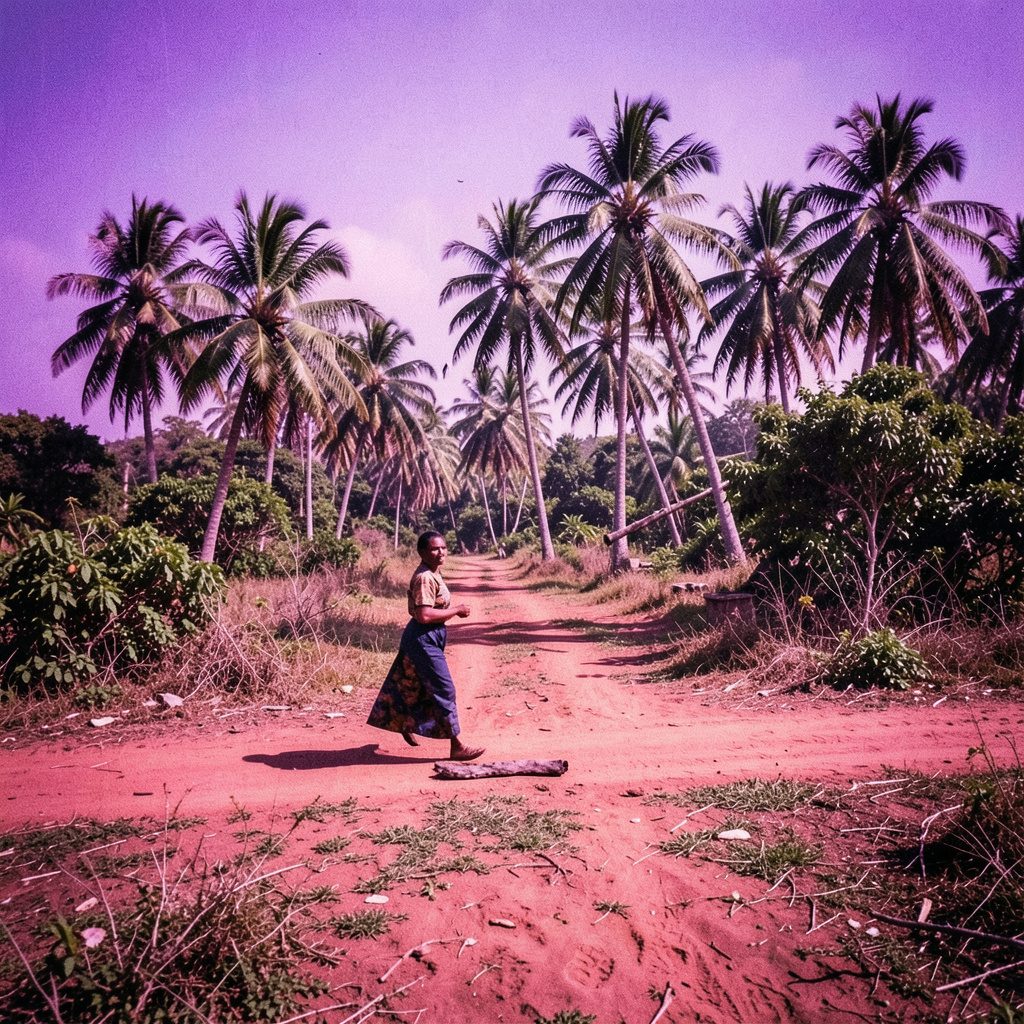
The Pacific Risk Resilience Programme recognizes that sustainable development cannot be achieved without accounting for the risks posed by climate change and natural hazards. By embedding risk awareness into the very fabric of planning and decision-making, PRRP helps government partners and local communities move beyond reactive responses to disasters. This approach involves analysing how risks intersect with sectors such as food security, water management, and infrastructure, ensuring that development investments are robust and forward-looking. Across Fiji, Solomon Islands, Tonga, and Vanuatu, the programme works to strengthen the capacity of institutions to anticipate shocks and adapt their strategies accordingly, fostering a culture of preparedness that protects both people and progress.
A core strength of the programme lies in its commitment to inclusive resilience. PRRP actively integrates gender equality and social inclusion into every stage of its work, recognising that vulnerability to disasters is not evenly distributed across communities. Women, persons with disabilities, and other marginalised groups often face heightened risks and limited access to decision-making processes. By promoting participatory planning and ensuring that diverse voices are heard, the programme helps build resilience that is truly community-owned. This inclusive lens is complemented by engagement with the private sector, exploring how businesses can contribute to risk reduction while also benefiting from more stable and resilient operating environments across the Pacific islands.