
Our Government Partners
PRRP is hosted at the UNDP Pacific Office in Fiji and works alongside national governments and programme donors to strengthen resilience in disaster-prone communities across the region.

Risk Informing Development
Integrating risk analysis into government planning processes across partner countries.
Learn More
Private Sector Development
Strengthening economic resilience by engaging local businesses in disaster preparedness.
Learn More
Gender and Social Inclusion
Ensuring equitable participation and benefits for all community members.
Learn MoreOur Programme Donors
PRRP's work is supported by UNDP, the Department of Foreign Affairs and Trade (DFAT), and the Swedish International Development Cooperation Agency (SIDA).
News & Field Stories
Enhanced food security for disaster prone communities, Vanuatu
Food banks: public-private partnerships for resilient outer islands, Yasawas, Fiji
More resilient farming systems and practices, Niu Birao, Solomon Islands
Enhanced income security through a risk informed farm road, Nasolo Village, Fiji
Risk-informing development means weaving hazard data and vulnerability assessments into the everyday work of government planning. Rather than treating disasters as one-off emergencies, this approach helps ministries anticipate shocks before they happen. By embedding risk analysis into budget cycles, infrastructure design, and social policy, Pacific nations can protect hard-won development gains and build a culture of preparedness that reaches from capital cities to remote outer islands.
Private sector development in the Pacific context is about strengthening local enterprises so they can withstand and recover from disruptions. When small businesses, farmers, and tourism operators integrate resilience into their operations, entire communities benefit. The programme supports partnerships that link entrepreneurs with government resources, opening pathways to finance, training, and markets that remain viable even when cyclones, droughts, or economic shocks strike.
Gender and social inclusion are not separate themes but core principles woven through every stage of resilience programming. Women, youth, people with disabilities, and remote communities often experience disasters differently and face distinct barriers to recovery. By ensuring diverse voices shape planning decisions, the programme helps produce solutions that are fairer, more effective, and genuinely owned by the people they are meant to serve.
Food security in the Pacific depends on resilient farming systems that can cope with shifting weather patterns and saltwater intrusion. The programme works alongside rural communities to strengthen traditional practices while introducing improved techniques for soil management, crop diversification, and water conservation. These efforts help families maintain reliable harvests and steady incomes even when seasonal conditions become unpredictable.
Community-led development puts decision-making power in the hands of the people who know their environment best. In villages and outer island settlements, residents identify their own priorities and co-design projects with government and programme support. This participatory model builds local confidence, strengthens social bonds, and ensures that investments in roads, water systems, or coastal protection reflect genuine needs rather than distant assumptions.
Knowledge products and publications capture lessons from the field so that good practice travels beyond individual project sites. Case studies, briefs, and reports document what works, what does not, and why. These resources serve as practical references for government planners, donor agencies, and community organisations seeking to replicate successful approaches to risk-informed development across the Pacific and beyond.
Public-private partnerships offer a promising model for bridging gaps that neither government nor business can address alone. When public agencies set clear frameworks and private actors bring innovation and efficiency, the result can be more sustainable infrastructure, better service delivery, and shared responsibility for managing risk. The programme facilitates these collaborations with a focus on transparency, mutual benefit, and long-term community impact.
The programme's approach to resilience is built on the understanding that risks are interconnected. A cyclone can disrupt supply chains, damage schools, and set back health outcomes all at once. Planning therefore requires coordination across sectors and levels of government. By fostering dialogue among ministries, provincial authorities, and local leaders, the programme helps create joined-up strategies that hold together under pressure.
Disaster-prone communities in the Pacific face a future of intensifying climate hazards, but vulnerability is not inevitable. With the right investments in early warning systems, protective infrastructure, and diversified livelihoods, even highly exposed settlements can reduce their risk. The programme supports practical, ground-level actions that translate national resilience policies into tangible improvements in safety and well-being for ordinary households.
Long-term solutions emerge when resilience becomes part of a country's institutional fabric rather than a temporary project. The programme emphasises capacity building within government agencies, mentoring for local planners, and the gradual refinement of policies and procedures. Over time, these efforts help partner countries develop the confidence and capability to manage risk on their own terms, sustaining progress long after external support concludes.
Resources & Publications
Practice briefs, results, knowledge products, and annual reports covering Fiji, Solomon Islands, Tonga, Vanuatu, and ProPa are available on our resources page, alongside a selection of programme case studies.
Browse ResourcesOur Partners
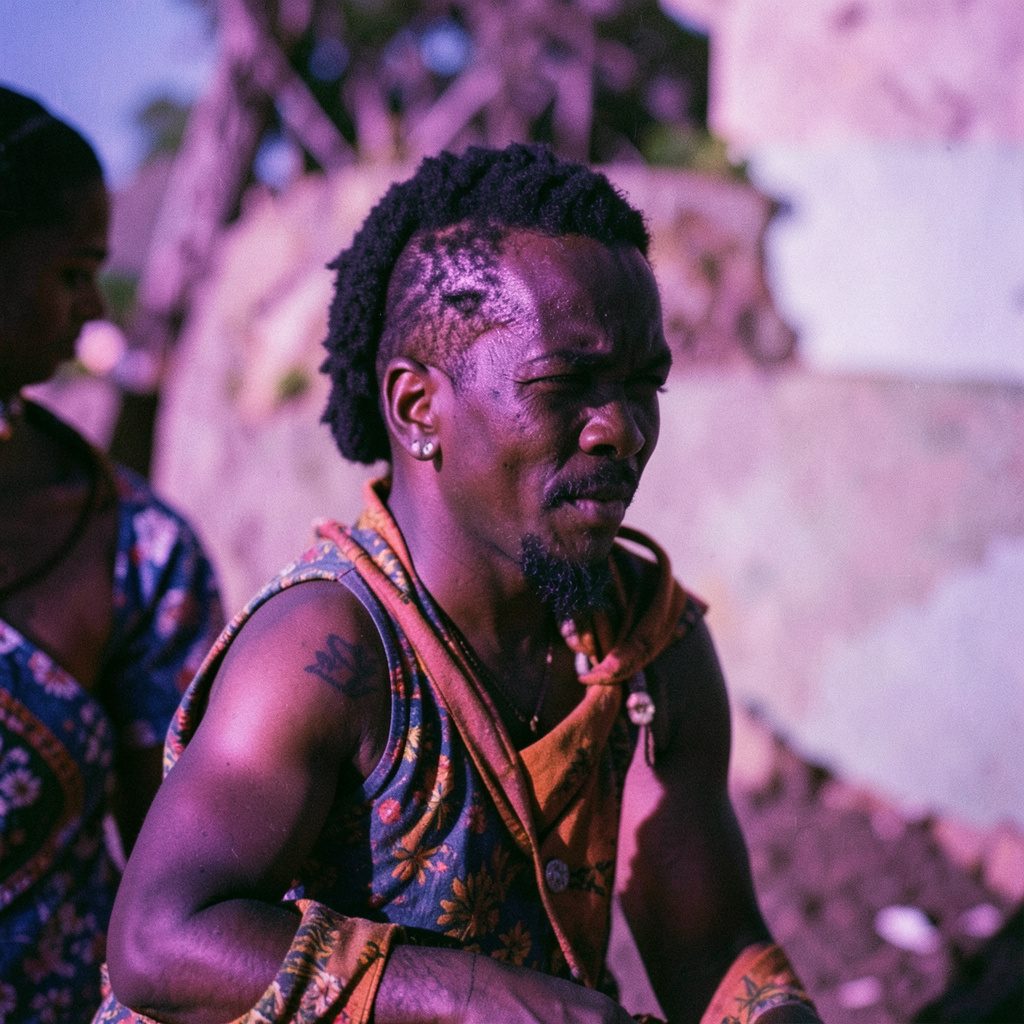
Government of Fiji
Working together on risk-informed township and district planning.
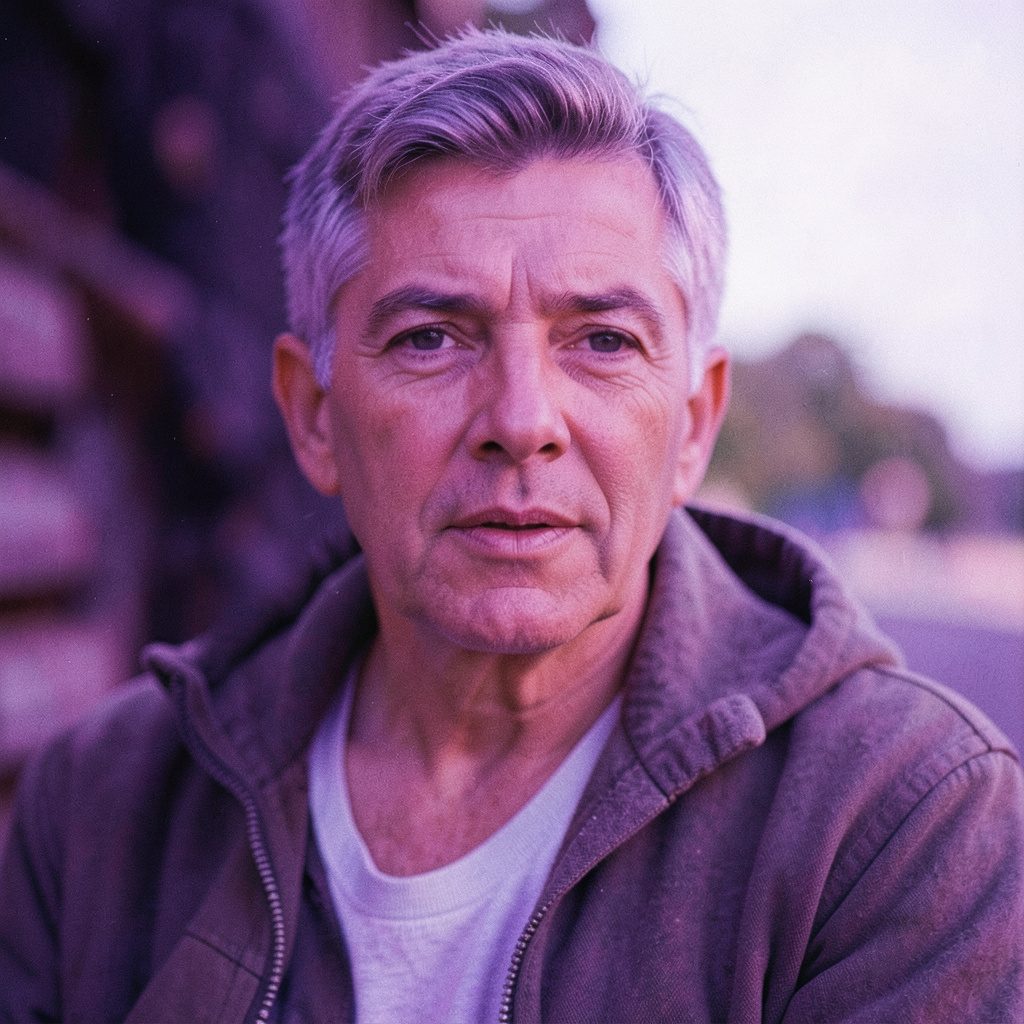
Government of Solomon Islands
Collaborating on resilient farming systems and community livelihoods.

Government of Tonga
Supporting water security initiatives in outer districts.

Government of Vanuatu
Partnering on food security programmes for disaster-prone communities.
Get in Touch
For enquiries about the programme, its partners, or publications, reach the PRRP team at the UNDP Pacific Office.
Contact Us